

Cultural Influences in Casino Design and Experience
The world of casinos is not just limited to games of chance and adrenaline-filled experiences. It is profoundly influenced by cultural preferences that vary from region to region. Cultural Preferences That Shape Casino Game Design by Region https://bet365-casino.it in shaping the casino experience. This article delves into how cultural factors influence everything from gambling etiquette to the overall atmosphere in casinos around the world.
The Cultural Landscape of Gambling
Gambling has a rich history dating back thousands of years. Different cultures have embraced this form of entertainment in various ways. For instance, in ancient China, gambling was popular, with games such as Keno showing that risk-taking has always been a part of societal gatherings. In contrast, many cultural groups have historically viewed gambling with skepticism or outright disapproval, leading to regional restrictions or prohibitions.
In Western cultures, particularly in the United States, the casino industry thrives in a legal and highly commercialized environment. Las Vegas stands as a testament to this cultural acceptance, with extravagant hotels and casinos drawing millions of tourists. Conversely, places such as the Netherlands exhibit a more reserved approach to gambling, focusing on controlled experiences, often leading to strict regulations.
Architecture and Design Influenced by Culture
The architecture of a casino is one of the first elements that reflect cultural preferences. In Las Vegas, for example, casinos are designed to dazzle and captivate. Themed resorts with replicas of famous landmarks, such as the Eiffel Tower or Venice’s Grand Canal, highlight a blend of various cultural symbols to create attractions that appeal to a broad audience. This reflects a cultural penchant for entertainment that emphasizes excess and spectacle.

In contrast, casinos in places like Monte Carlo exude elegance and sophistication. Modeled after opulent European styles, they provide a stark contrast to the glitz of Vegas. The focus here is on luxury and an intimate gaming experience, catering to a clientele that values history and refinement. Cultural values regarding social status often dictate the thematic approach to casino design in these regions.
Games and Cultural Preferences
The types of games offered in casinos can also reflect cultural influences. For example, in Asian cultures, games like baccarat, pai gow, and sic bo are extremely popular and are often viewed as games of skill rather than chance. The social aspect of gambling holds significant importance, reflecting the high value placed on community and relationships in these cultures.
On the other hand, Western casinos often emphasize games like poker, slots, and blackjack. Poker, in particular, has gained popularity due to its blend of skill, psychology, and chance, fitting into cultural narratives of individualism and competitive spirit. This cultural difference shapes not only the games offered but also how they are marketed and presented to potential players.
Casino Etiquette and Cultural Norms
Cultural preferences also shape gambling etiquette. For example, in many Asian cultures, it is customary to engage in ceremonial practices before gaming begins, such as bowing or offering prayers to ancestors. Casinos that operate in regions influenced by these cultures often incorporate these practices into their operations, understanding that respecting local traditions can enhance the overall experience.
Conversely, in Western casinos, etiquette may lean more towards individual expression and personal freedom. Players may choose to dress casually and engage openly in conversations at tables. This cultural distinction manifests in the dynamics between players, dealers, and the environment of the casino itself.
Technological Integration and Cultural Impact
As technology continues to shape the gambling industry, cultural preferences guide how these innovations are adopted and integrated. Online gambling, for instance, has witnessed varying acceptance levels across regions. In some cultures, online casinos are embraced, providing access to a broader spectrum of games and convenience. However, in regions where gambling is still stigmatized, online platforms may face obstacles due to cultural resistance.
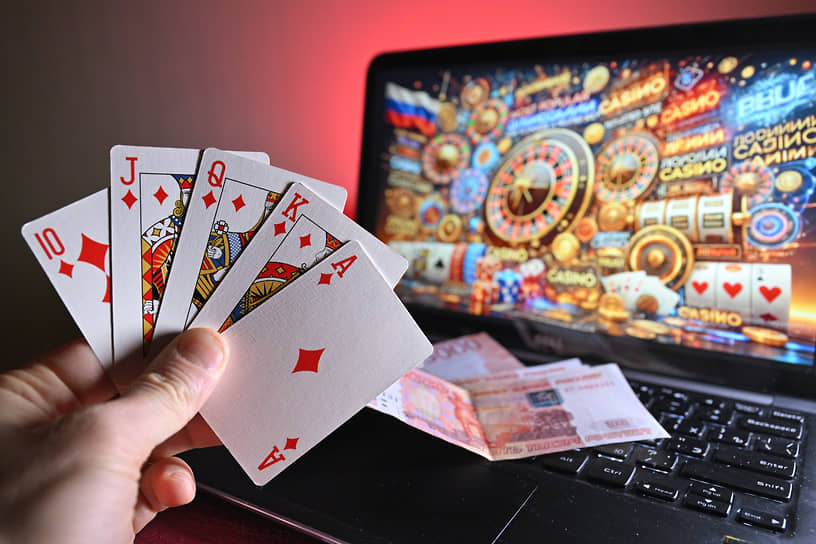
Mobile gaming is another area where cultural preferences come into play. In countries such as Sweden and the UK, mobile gambling has surged in popularity, coinciding with a tech-savvy demographic. Meanwhile, other cultures may require more traditional forms of engagement and may be slower to adapt to change, influencing how casinos develop their online presence.
Marketing Strategies Driven by Cultural Nuances
Marketing in the casino industry significantly relies on cultural insights. Casinos often tailor their advertising strategies to resonate with specific cultural contexts, emphasizing factors that are most appealing to their target market. For instance, a casino in Japan may want to focus on group experiences and the enjoyment of community, while a casino in the United States may highlight competition and gambling techniques.
Understanding the psychology of potential players is crucial for marketing effectiveness. Casinos often assess cultural trends and preferences to establish promotional strategies that align with community values, which can drastically enhance engagement and loyalty among patrons.
The Future of Casinos and Cultural Dynamics
As global travel continues to evolve and cultures increasingly intermix due to globalization, the casino industry must adapt to shifting cultural preferences. Casinos will likely continue to blend elements from different cultures, creating hybrid experiences that attract a diverse clientele.
Furthermore, social responsibility and awareness of cultural sensitivities will play a more prominent role in how casinos operate. Emphasizing responsible gaming and respecting cultural values will be essential in maintaining acceptance and growth within various communities.
Conclusion
Casinos are a unique crossroad of culture, entertainment, and commerce. By understanding cultural preferences, operators can create environments that resonate with their clientele, offering products and experiences that appeal to the diverse tapestry of global players. As the industry continues to evolve, acknowledging and respecting cultural nuances will remain crucial for success in the vibrant world of gambling.
Leave a Reply