
Exploring the role of chance gambling motifs in literature and film
Understanding Chance in Storytelling
Chance motifs in literature and film often serve as pivotal plot devices that illustrate the unpredictability of life. By integrating gambling elements, authors and filmmakers can explore themes such as fate, free will, and the randomness of human experience. These motifs create tension and intrigue, inviting audiences to contemplate the consequences of risk-taking and decision-making. For those interested in the online aspect of this phenomenon, you can learn more at https://jokaroomcasino-online.com/.
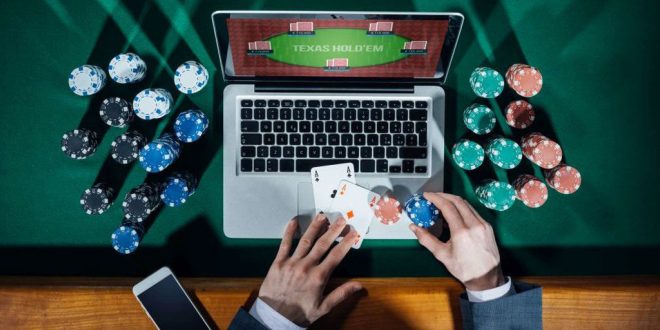
In narratives where chance plays a central role, characters are frequently faced with dilemmas that hinge on chance occurrences. This creates a layered complexity, as the audience grapples with the notion of whether outcomes are predetermined or a result of random events. The interplay between choice and chance can lead to profound character development, making it a powerful tool for storytellers.
The Symbolism of Gambling in Narrative Contexts
Gambling often symbolizes broader life challenges and moral questions. In literature and film, characters engaging in games of chance may represent the struggle against fate or societal norms. The act of gambling itself becomes a metaphor for the risks one must take to achieve desires or escape from mundane realities.
Furthermore, the outcomes of these gambling scenarios can reflect deeper societal issues such as wealth disparity, addiction, and personal integrity. By framing these themes within the context of chance, creators can challenge audiences to reflect on their own life choices and the inherent risks associated with them.
Classic Examples of Chance Gambling in Literature
Classic literature features numerous examples of chance gambling motifs, often highlighting the tension between desire and destiny. Works like Fyodor Dostoevsky’s “The Gambler” delve into the psychological complexities surrounding addiction and the allure of gambling. Through his characters, Dostoevsky explores themes of desperation, obsession, and the fleeting nature of fortune.
Similarly, in Shakespeare’s “Othello,” gambling is used as a motif to underscore themes of jealousy and betrayal. The symbolism of chance manifests through the characters’ fateful decisions, illustrating how the gamble of trust can lead to catastrophic outcomes. Such examples emphasize the timeless relevance of chance in storytelling.
Modern Depictions of Gambling in Film
Contemporary cinema frequently incorporates gambling motifs, reflecting society’s ongoing fascination with chance. Films like “21” and “Casino Royale” showcase the allure and peril of gambling, often intertwining action, suspense, and moral dilemmas. These narratives emphasize the unpredictable nature of life, making characters’ fates hinge on their choices at the gambling table.
Additionally, modern films often explore the psychological aspects of gambling addiction and its effects on relationships and personal identity. By portraying the highs and lows of gambling, filmmakers capture the emotional rollercoaster that accompanies chance, making it a compelling element in cinematic storytelling.

Engaging with Online and Offline Gambling Narratives
With the rise of online gambling, narratives have evolved to reflect this shift. Online platforms allow for new storytelling possibilities, where characters engage with digital games of chance that mirror real-life risks. This evolution has introduced a new layer of complexity, exploring themes of isolation and the virtual experience of gambling.
In offline settings, traditional narratives continue to resonate, focusing on human interactions and the tangible experience of risk. The contrast between online and offline gambling motifs highlights changing societal perspectives on chance, making it a rich area for exploration in both literature and film.
Leave a Reply